
Stonecrop 07
Art Gallery

2024 Cover Art Contest Winner
David John Baer Nicholas
new mexico
@ghostofamerica
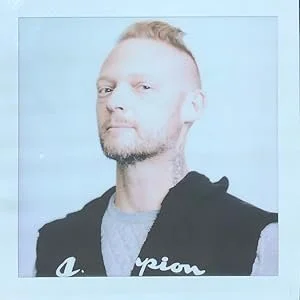
David John Baer McNicholas has been on travel in New Mexico for three years. He is the author of the novel Lemons: In an Orchard. He operates the nascent imprint ghostofamerica ltd co (Anarchy, Abolition, Art) and studies for his BFA in Creative Writing and AA in Native Studies at the Institute of American Indian Arts in Santa Fe. Currently, he is working on an array of projects. His work can be found on poets.org, Bending Genres, Panorama Travel Journal, All Existing Lit Mag, and ghostofamerica.net.
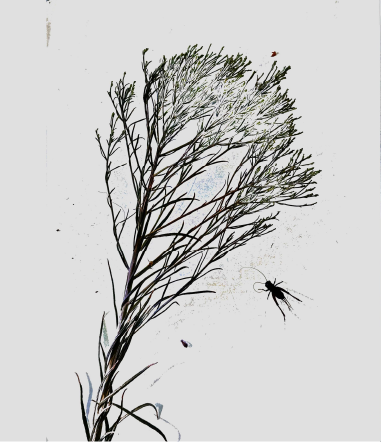
Crickets & Foliage | collage, paper, lights, photography | cover art
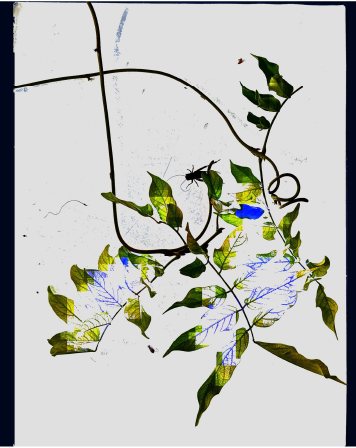
Crickets & Foliage | collage, paper, lights, photography
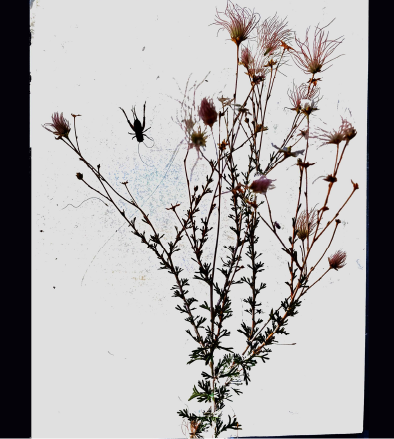
Crickets & Foliage | collage, paper, lights, photography
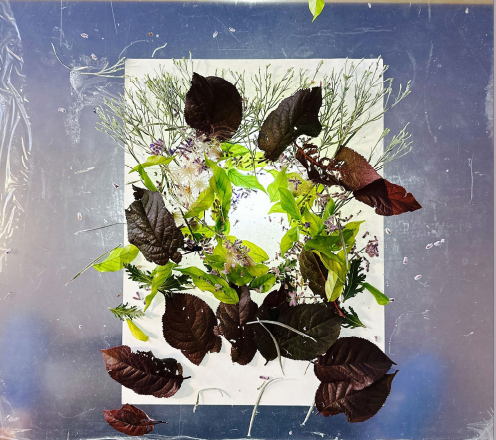
Crickets & Foliage | collage, paper, lights, photography
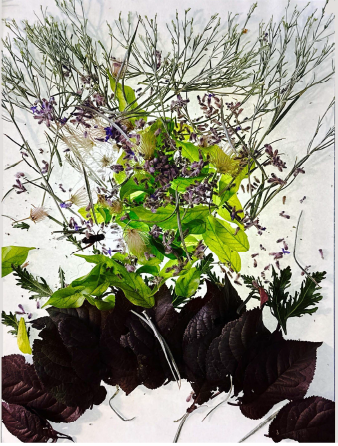
Crickets & Foliage | collage, paper, lights, photography
A cricket tumbles through a hybrid lens in a world of motion. Biological entities, camera filters, photocopy machines and microscope slides are referenced in these images to counter essentialist rhetoric. There is no pure state to return to, beings have always been moving in relation. Futurism is not a colonial property.
The cricket agent lives in a non-linear web of story. The plants are regarded as entities, both digital and cellular. A freedom, but also being held in the beauty of relation and a dialectical tension in-between.
This is an ekphrastic piece inspired by the article, “Coming to You from the Indigenous Future: Native Women, Speculative Film Shorts, and the Art of the Possible” by Danika Medak-Saltzman. David John Baer McNicholas feels an urge to participate in decolonizing storytelling through graphic narrative, creating a story which centered a mobile agent relating to an intersubjective realm. It is optimistic, made of wonder and joy.
— David John Baer McNicholas
mary amato
washington d.c.
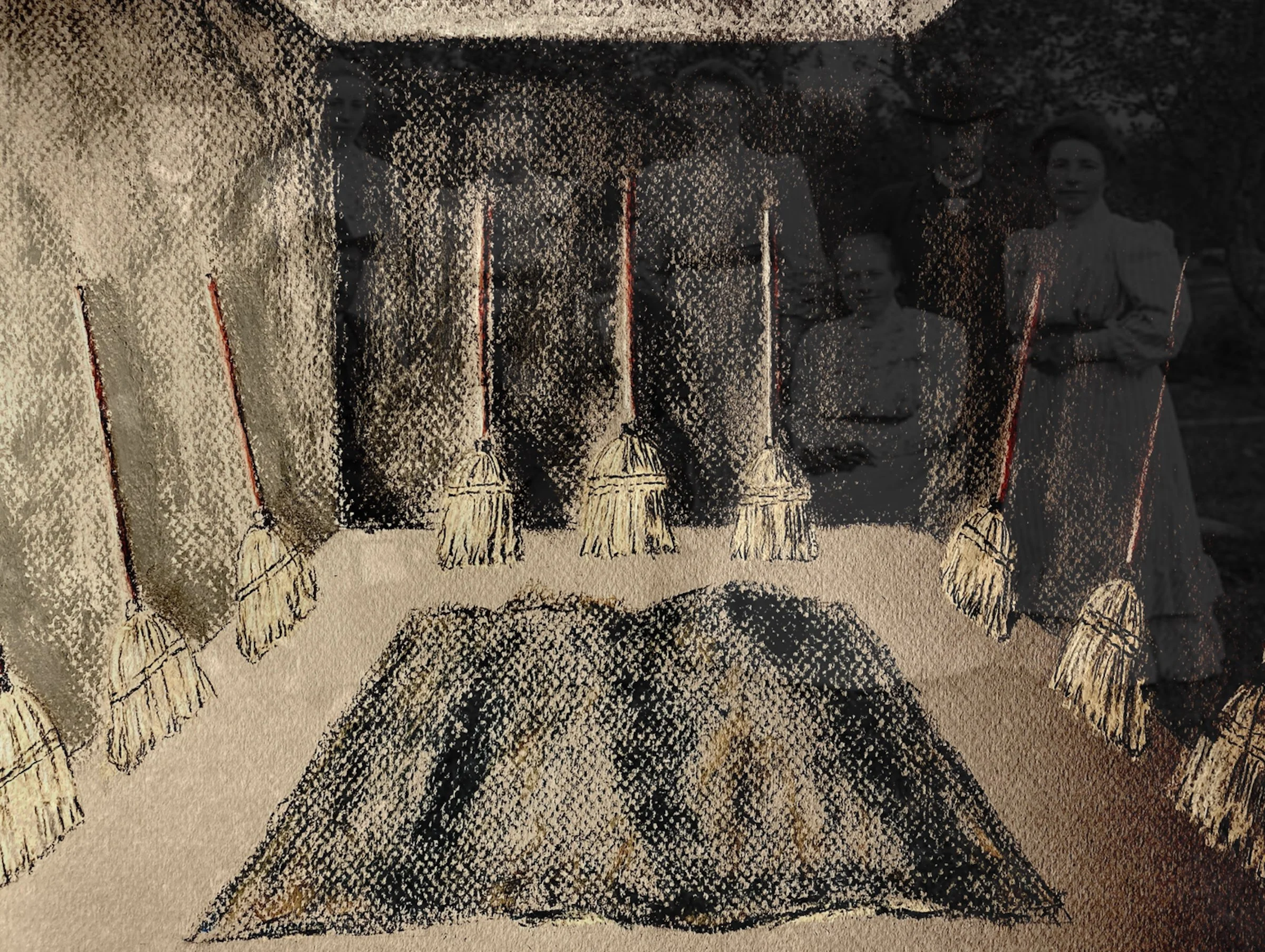
Swept | charcoal and pastel
The ways in which families can hide or deny tensions and secrets has fascinated Mary Amato since childhood. In the piece Swept, Amato wanted to play with the symbolic image of a roomful of brooms. These brooms have been at work sweeping matters under the rug for generations—in fact, the room is haunted by these ancestors—and yet the brooms are still standing, read to be used again.
ROBIN YOUNG
dallas, texas
www.laurence-wensel-mfa.com
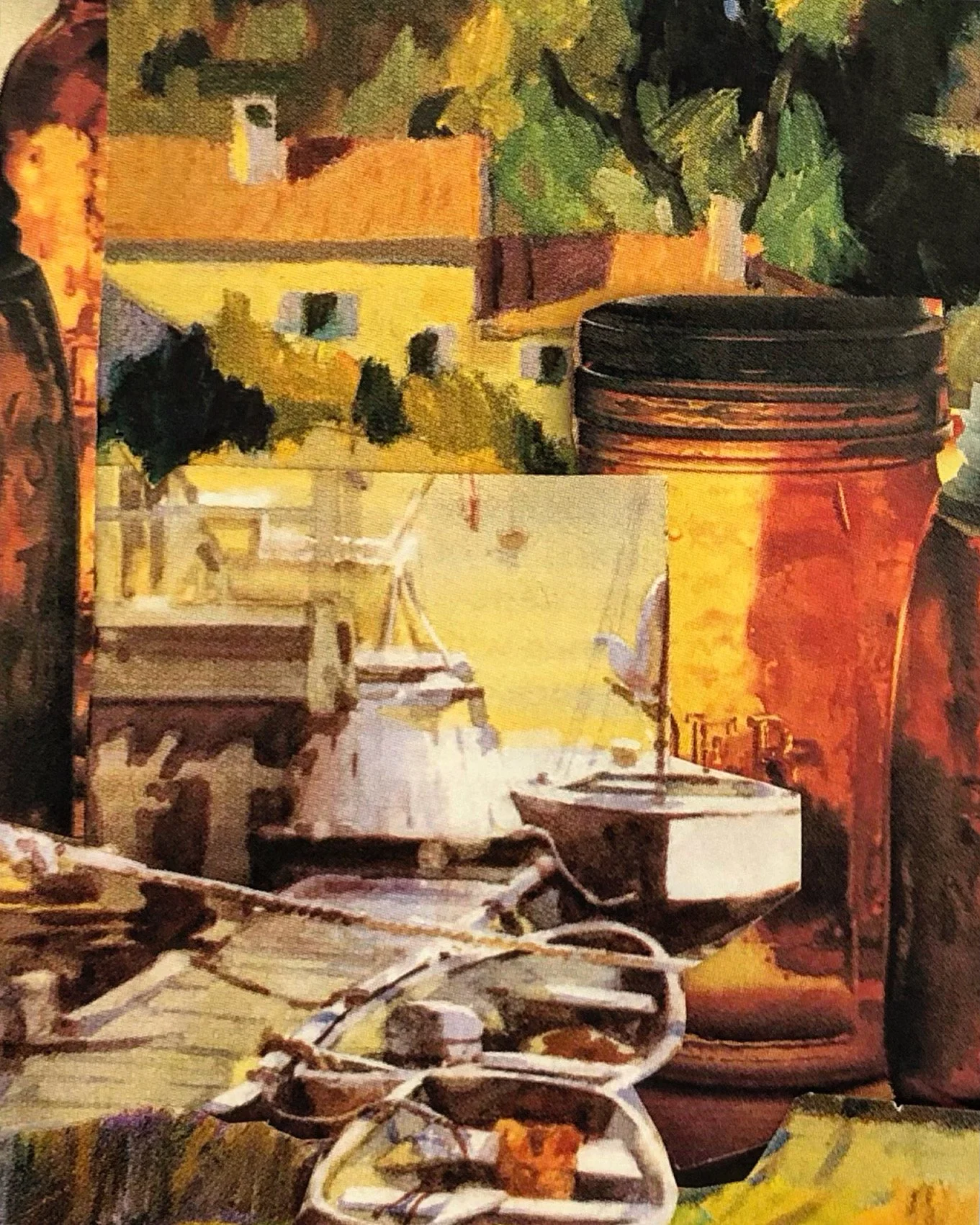
Pier at Mason Jar | collage
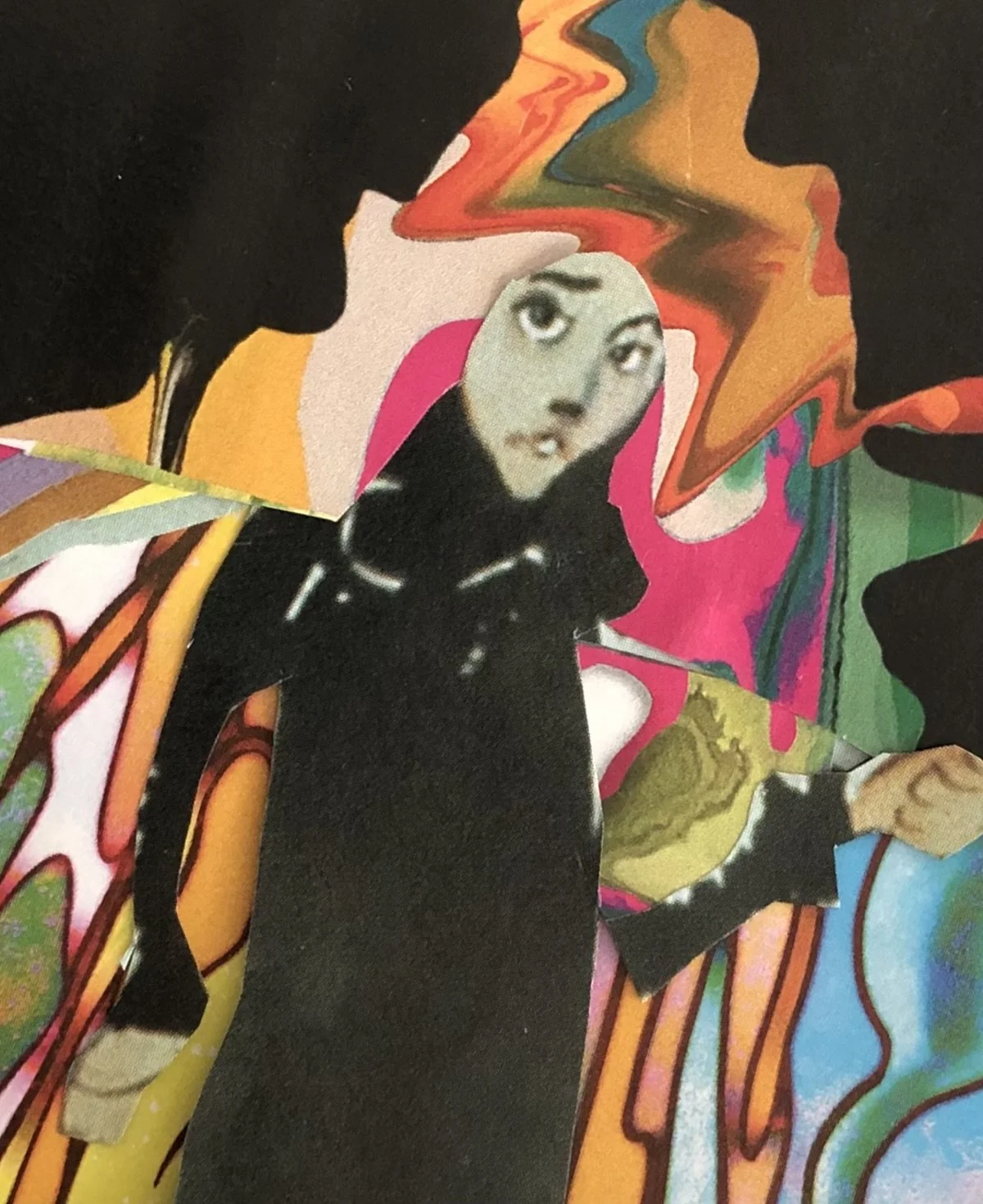
The Lost Harlequin | collage
The act of collaging for Robin Young can sometimes border on the impulsive. Sitting on her soft orange sofa with views of the California desert outside her door, each day Young begins.
Young will flip through sourced magazines until something piques her interest and off Young goes with a pair of scissors, slicing or tearing the piece from the page. Then delving through the stacks of collected materials weaving and pasting many images together finding just the right piece to complete the puzzle, and a small moment in time.
joy curtis
www.joymariecurtis.com
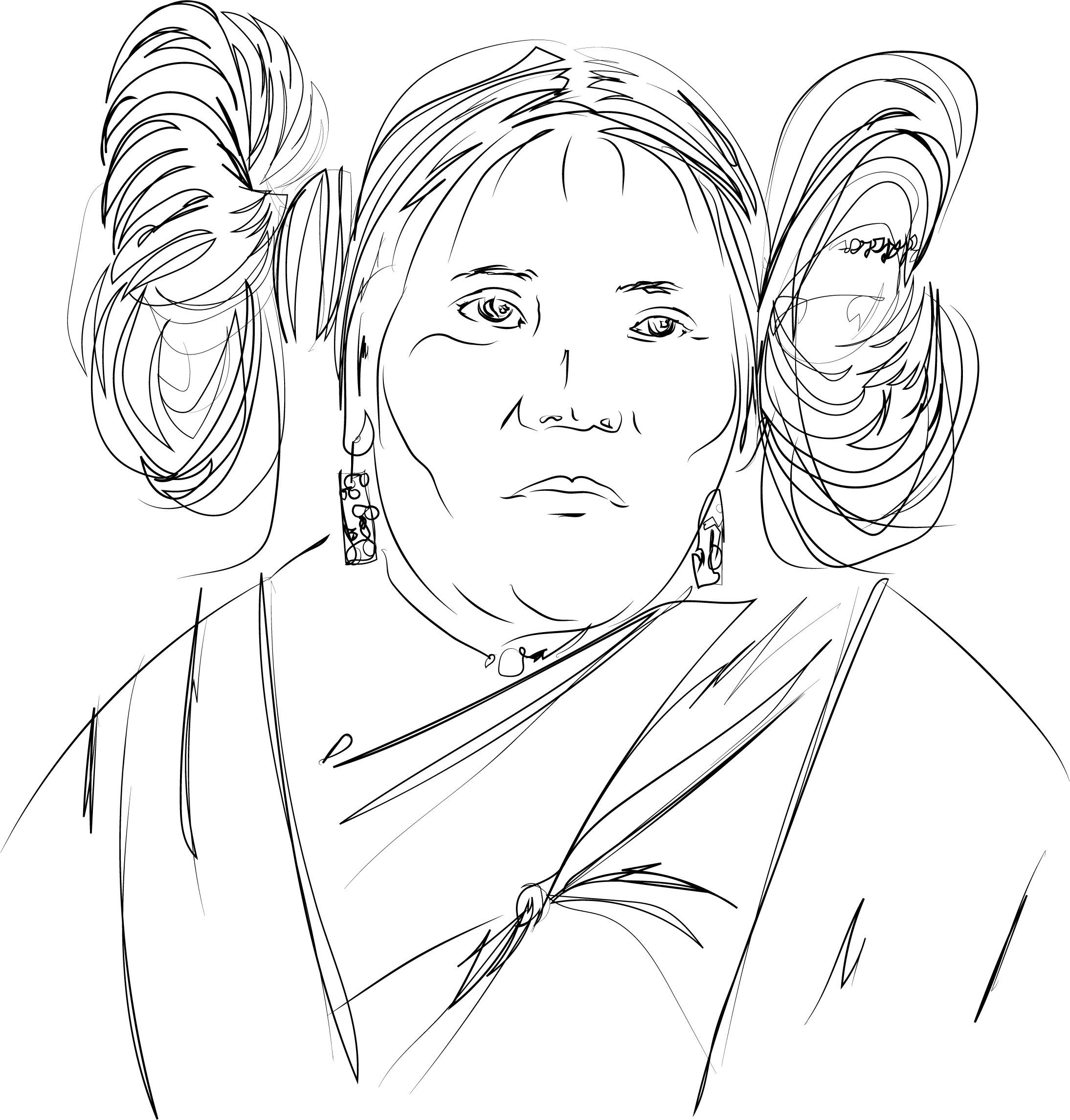
Beauty in Indigenous 1 | digital
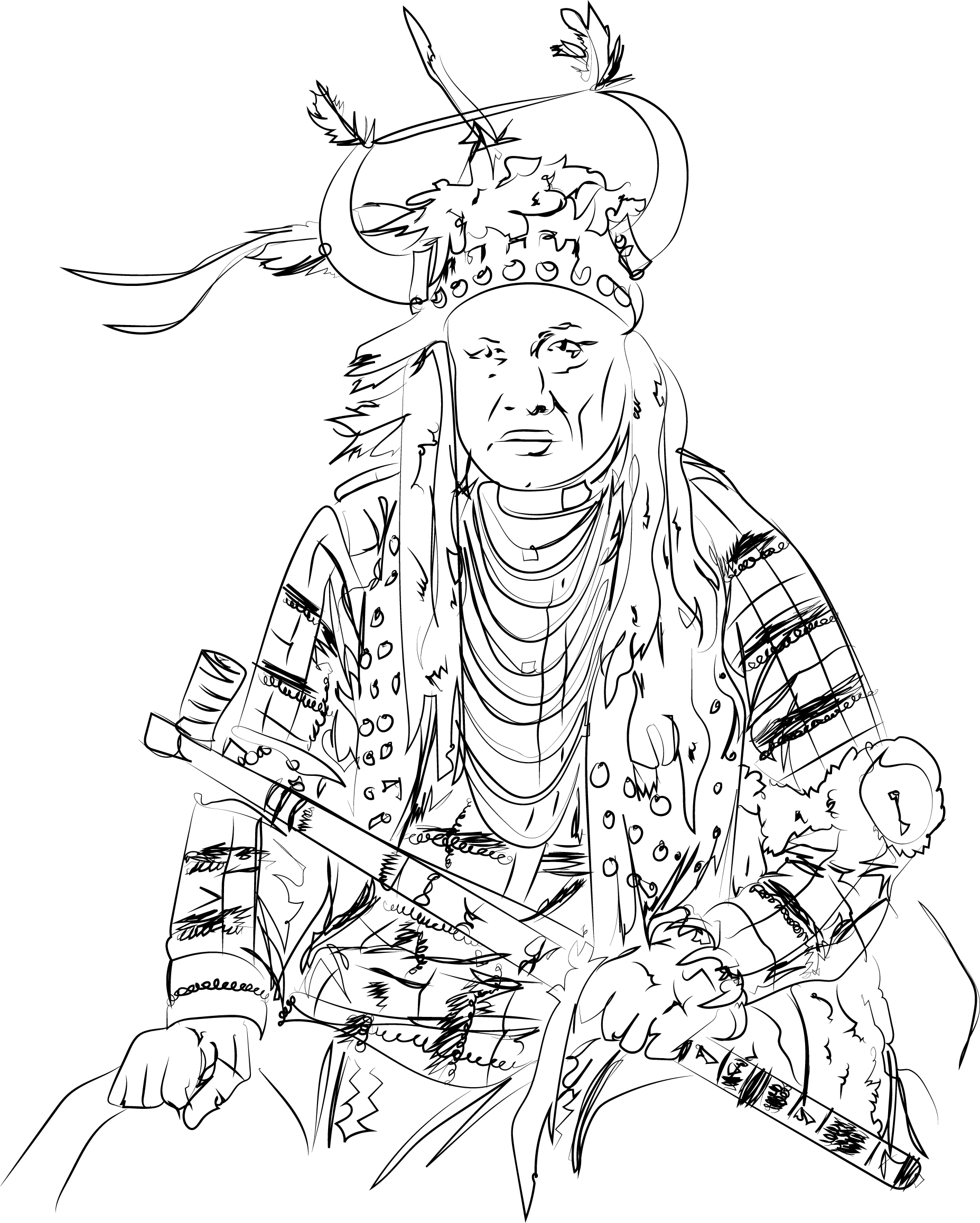
Beauty in Indigenous 2 | digital
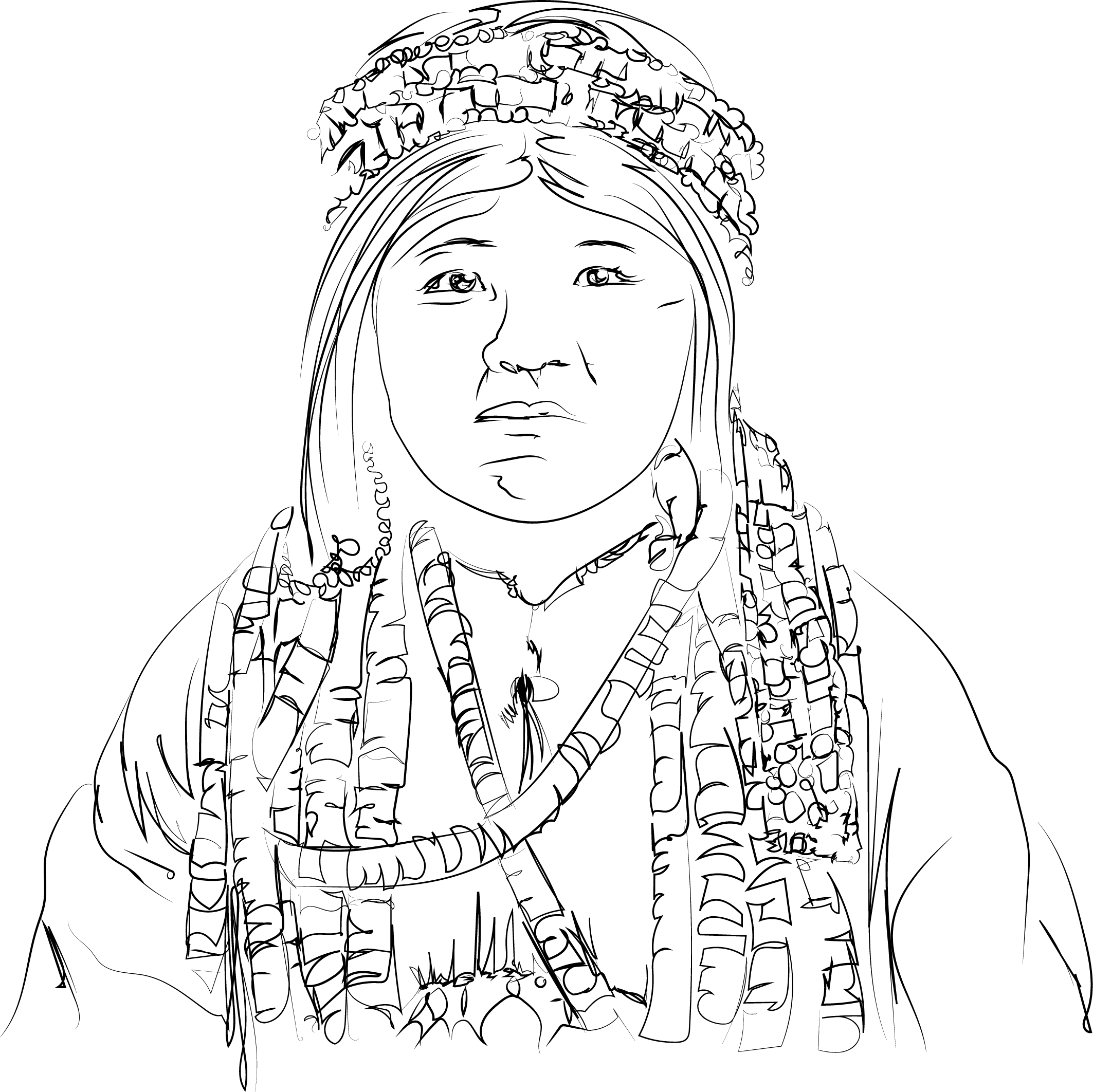
Beauty in Indigenous 3 | digital
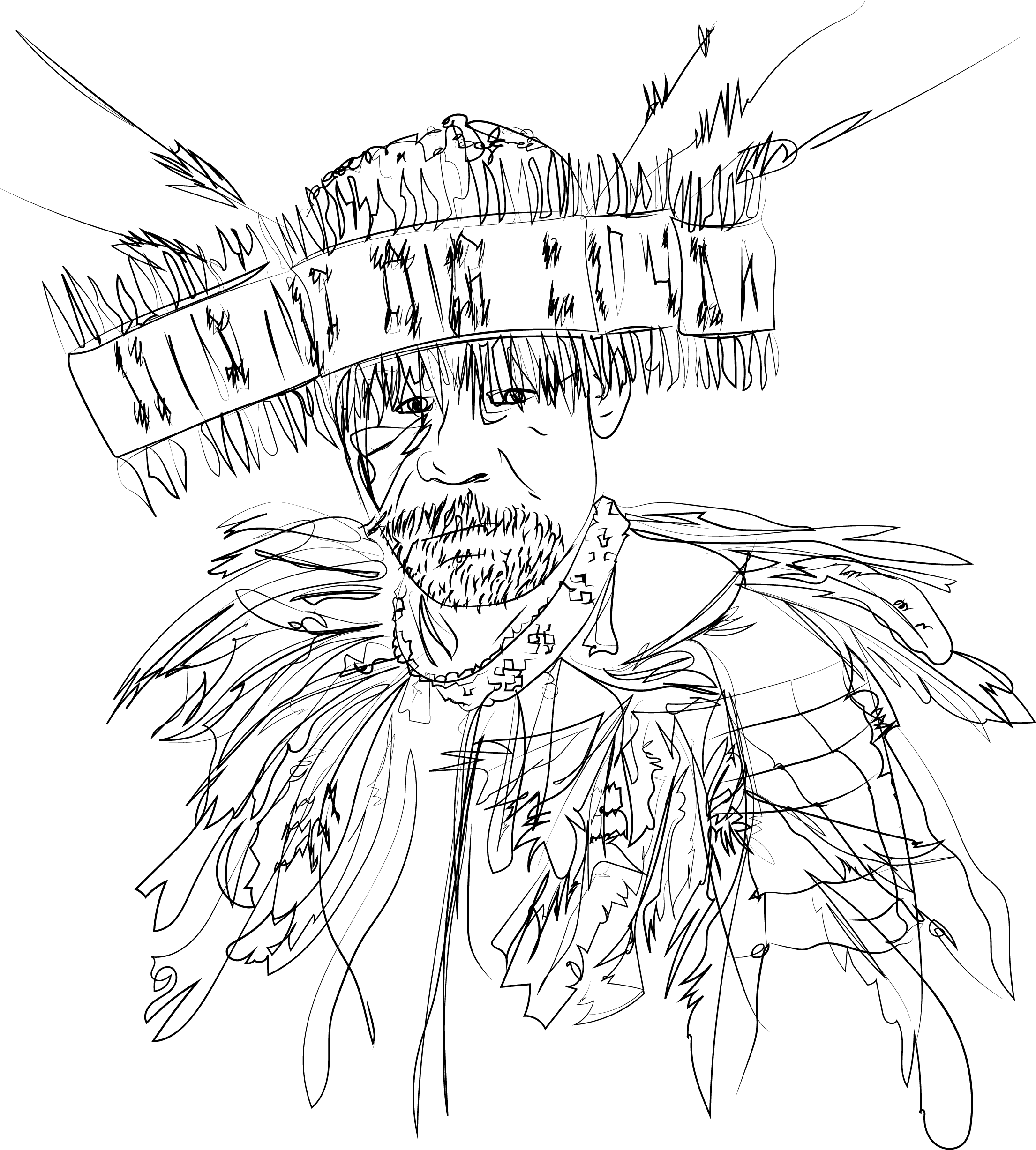
Beauty in Indigenous 4 | digital
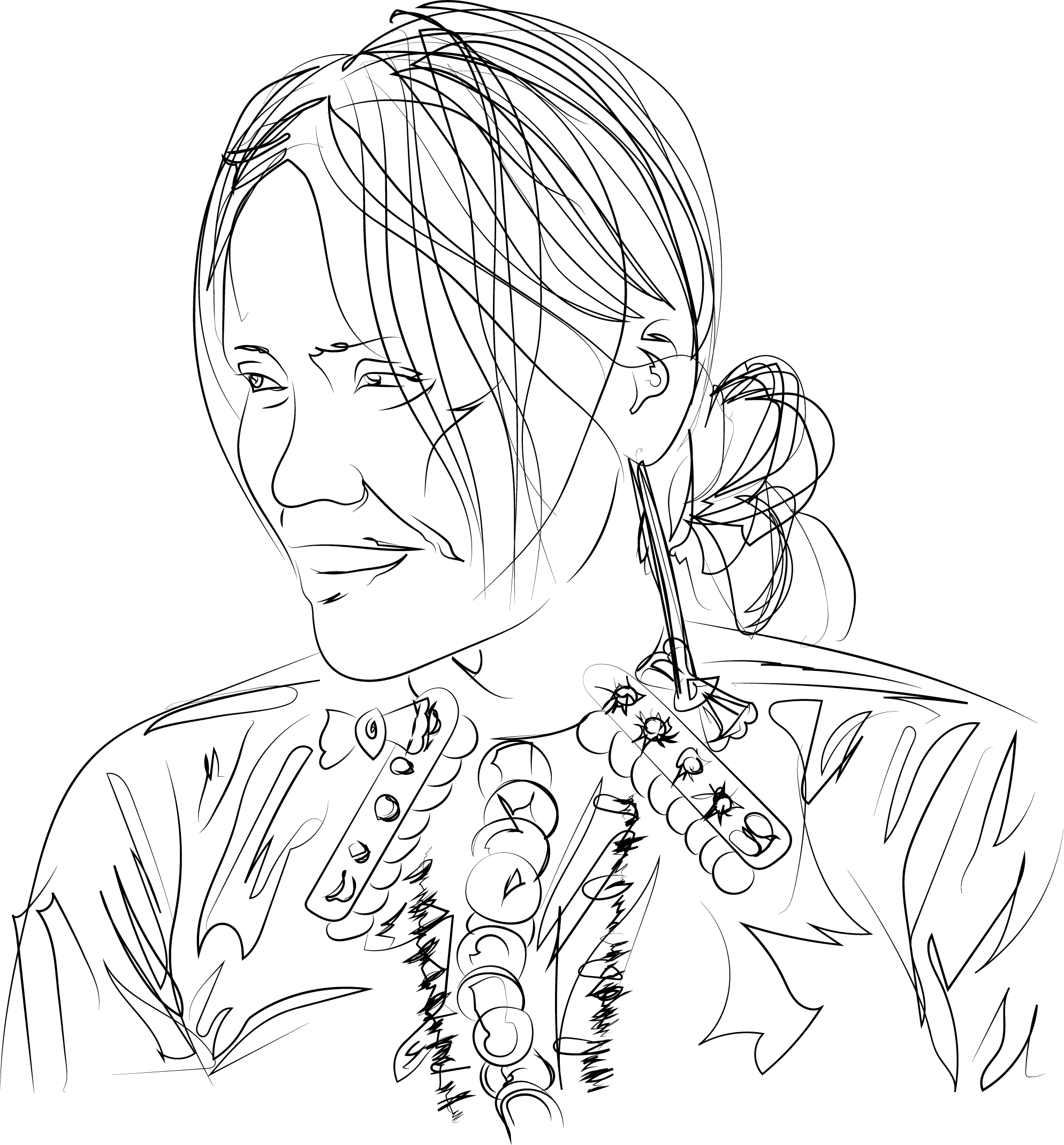
Beauty in Indigenous 5 | digital
This art collection showcases a series of exquisite line drawings portraying historical images of various North American tribes. Designed to challenge the prevalent “pan-Native American” image, the collection celebrates the diversity and beauty inherent in each distinct tribe.
Through meticulous line work, the artist captures the unique cultural elements, traditional clothing, and symbolic artifacts specific to each tribe. The collection aims to break stereotypes by presenting a nuanced and respectful representation of the rich tapestry of Indigenous peoples.
By highlighting the intricacies of their histories and traditions, Curtis invites viewers to appreciate and embrace the individuality and beauty of each North American tribe fostering deper understanding of the multifaceted Indigenous heritage.
WILLY CONLEY
washington d.c.
www.willyconley.com
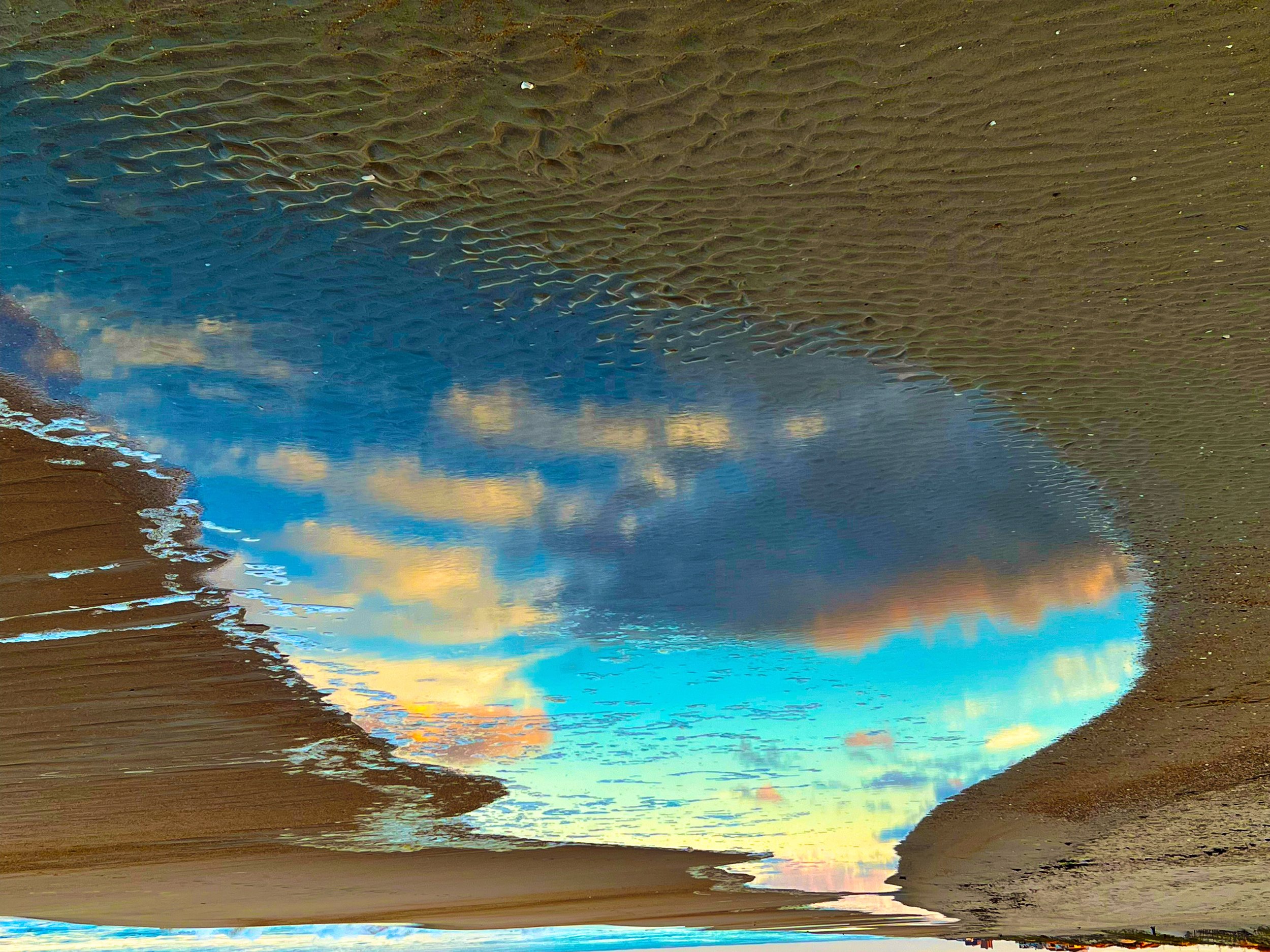
Fenwick Island Tidal Pool | digital color photographs
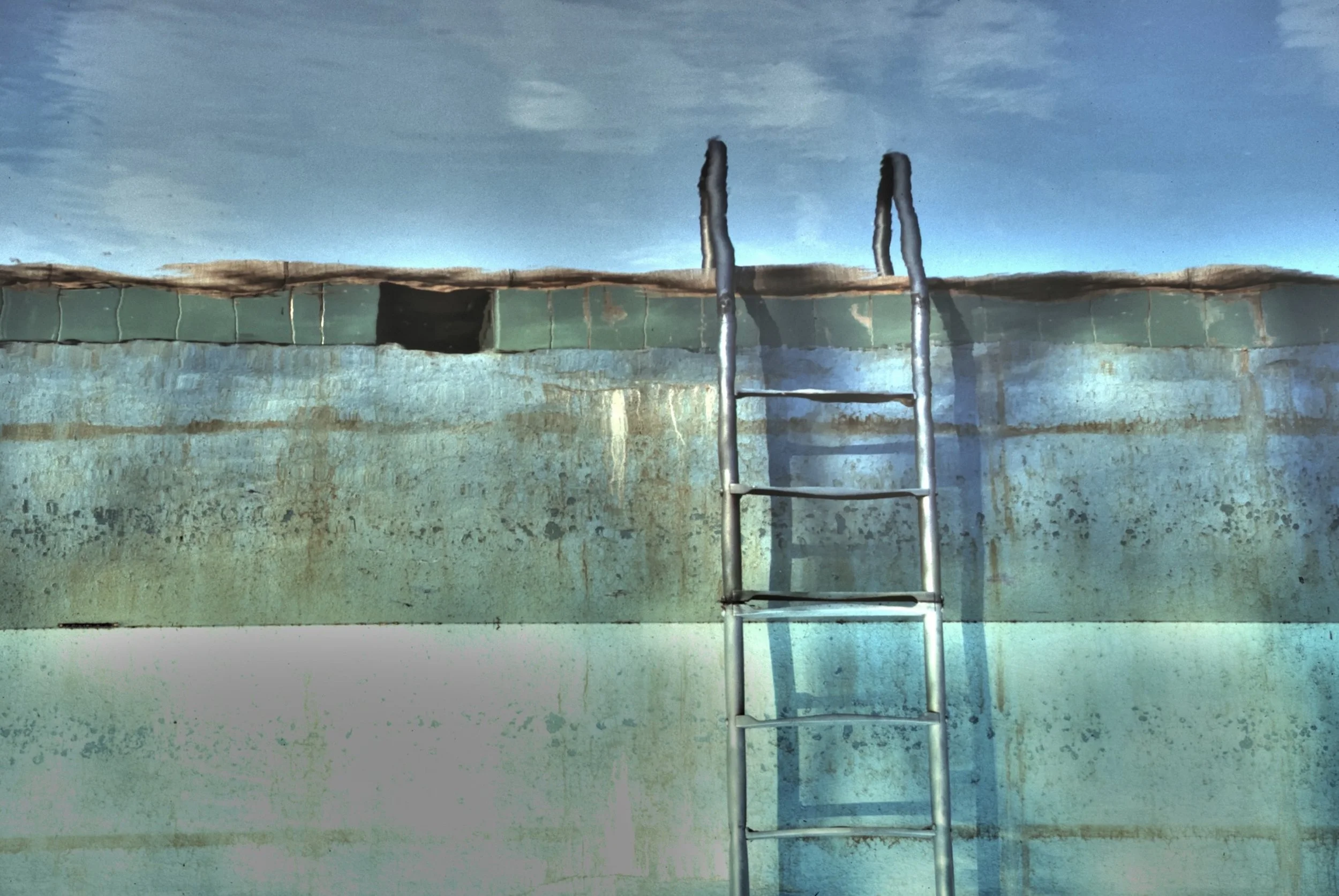
Ladder to Skywater | digital color photographs
Watergraph is a term I invented that came from taking photographs of water reflections that have been turned upside-down. Depending on environmental factors like the wind, debris in the water, and the color of the sky, each inverted reflection created a painting in its own right bordered by whatever was surrounding the water. Just as an artist chooses a type of frame and size to present a piece of art, these natural mirrors had their own self-contained frames in which they presented themselves in the landscape. All reflections were recorded as is without any double-exposures or extreme image manipulation. This has been a part of my serendipitous quest around the world for water reflections that range from little puddles to large bodies of water. You may want to turn the photo (or your head) upside-down to see how the images were originally discovered.
Water is one of the most important elements that people are concerned about regarding climate change. We either have too much of it, too little of it, or it is too unsanitary. My photography of water is a way to bring attention to this precious natural resource and show its beauty wherever it may be found.
— Willy Conley